What Dominion Energy customers considering solar should know
A proposed change that could affect solar system sizing
A bill currently moving through the Virginia legislature, HB1255, proposes increasing the system size threshold that triggers standby charges under net energy metering. The proposal would raise the limit from 15 kW to 20 kW AC for electrical generating facilities.
If enacted, this would mean some Dominion Energy Virginia customers could install slightly larger solar systems before becoming subject to a monthly standby charge.
While the bill is still in the legislative process, it highlights an issue many homeowners do not realize exists until they begin planning a solar installation.
What is a standby charge?
Under Dominion Energy’s net metering structure, certain larger solar systems may be subject to a monthly standby charge.
In simple terms:
- Smaller residential solar systems generally avoid this charge
- Systems above a specific size threshold may trigger an additional monthly fee
- The threshold has historically been 15 kW AC, though policy changes can adjust this
This charge exists because utilities classify larger systems differently in how they interact with grid infrastructure and capacity planning.
For homeowners, the practical takeaway is straightforward:
System size matters not just for production, but also for billing rules.
Why this matters for homeowners considering solar
At EDGE Energy, we regularly see real situations where homeowners:
- Want a larger solar system to cover full electric usage
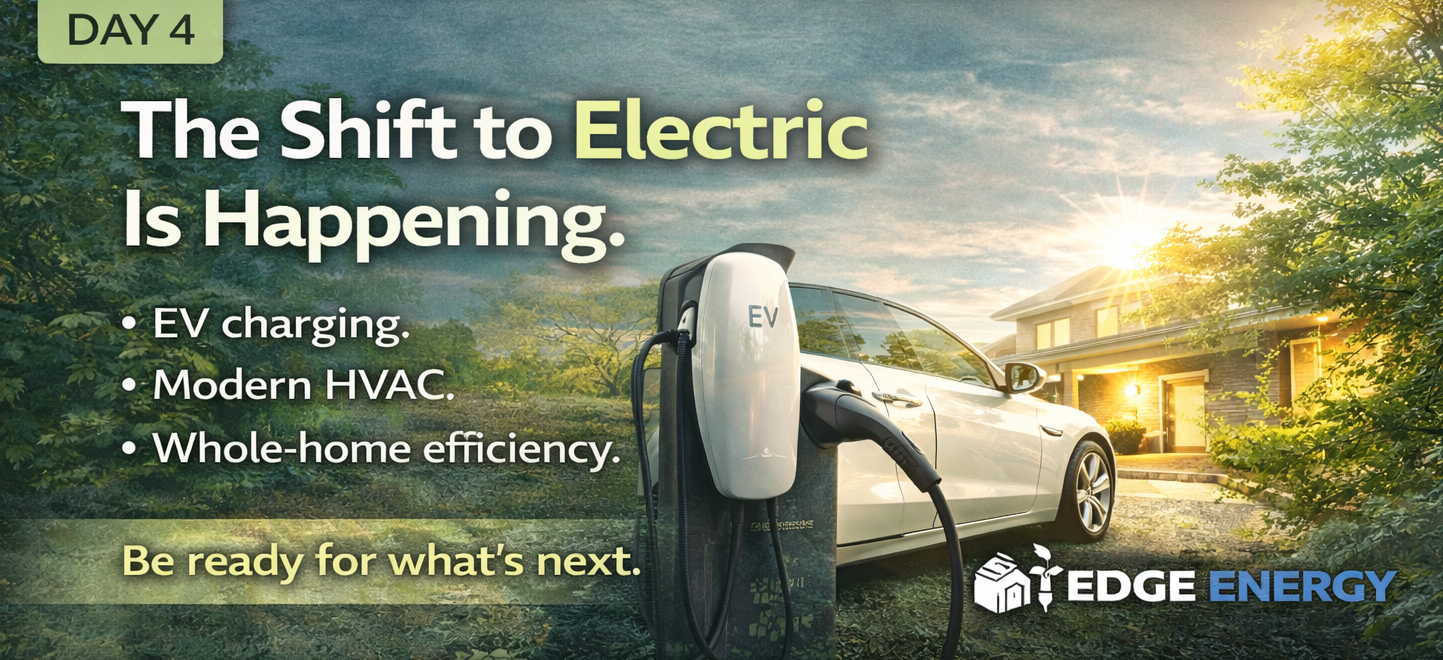
- Are electrifying their home with heat pumps, EV charging, or induction cooking
- Need additional capacity to meet future energy needs
But sometimes customers choose to size their system below the standby threshold specifically to avoid the monthly charge.
If the threshold increases from 15 kW to 20 kW, it could allow some homeowners to:
- Install larger systems
- Offset more of their electric usage
- Better support electrification upgrades
- Avoid resizing purely for regulatory reasons
This is why system design always requires both engineering analysis and policy awareness.
The real-world impact of electrification
Homes today use more electricity than they did even five years ago.
Common drivers include:
- Electric heat pumps replacing gas furnaces
- Heat pump water heaters
- Electric vehicle charging
- Induction cooking
- Whole-home electrification initiatives
As electric demand rises, the solar system needed to offset that demand often grows as well. Policy thresholds like the standby trigger can therefore influence design decisions for modern homes.
How EDGE Energy helps Dominion customers navigate this
Solar is not just about panels. It is about understanding:
- Utility rules
- net metering structures
- standby thresholds
- system sizing strategy
- future electrification plans
Because EDGE Energy works extensively with Dominion Virginia customers across solar, HVAC, insulation, and whole-home electrification, we design systems with both current rules and future flexibility in mind.
That means helping homeowners:
- Avoid unexpected billing surprises
- Size intelligently for long-term needs
- Plan upgrades in the right order
- Understand how legislation like HB1255 could affect their options
Current status of HB1255
As of the 2026 legislative session:
- The bill passed the Virginia House
- It has been referred to the Senate Committee on Commerce and Labor
- Final outcome is still pending
Policy developments like this can change quickly, so homeowners planning solar in 2026 should stay informed during the design process.
Thinking about solar with Dominion Energy?
If you are considering solar in Virginia and Dominion is your electric provider, the best first step is not choosing equipment. It is understanding your home’s energy profile and the regulatory landscape that affects system sizing.
EDGE Energy can help you evaluate:
- Your ideal system size
- electrification plans
- utility rules
- rebate and policy considerations
- long-term home performance goals
Smart planning now prevents expensive redesigns later.