When a home loses heat, it’s uncomfortable.
When a home loses heat during a medical crisis, it becomes urgent.
A recent feature from Southern Maryland News highlighted exactly the kind of work EDGE Energy is doing every day across Maryland. In one case, a homeowner in Mechanicsville was dealing with a failed heating system while his wife was entering hospice care. Within a week, heat was restored.
That’s not luck. That’s how these programs are designed to work when executed correctly.
Read the full Southern Maryland News article
This Is What These Programs Are Built For
The work highlighted in the article reflects a bigger reality across Maryland.
There are thousands of homes where:
- Heating and cooling systems are no longer functioning
- Safety issues exist, like gas leaks or poor ventilation
- Energy bills are unnecessarily high due to inefficiency
- Basic maintenance has been deferred for years due to cost
As Gary Boyer, Building Performance Institute specialist at EDGE Energy, explained, these aren’t edge cases. These are the households that need help the most.
And the goal is not small fixes.
It’s full transformation.
From “Poor Shape” to High Performance
Historically, many programs addressed homes one issue at a time. That approach only goes so far.
Today, with expanded funding and better coordination between state agencies and program partners, projects can go much deeper.
Instead of patchwork improvements, homes are being upgraded to:
- High-efficiency heating and cooling systems (often heat pumps)
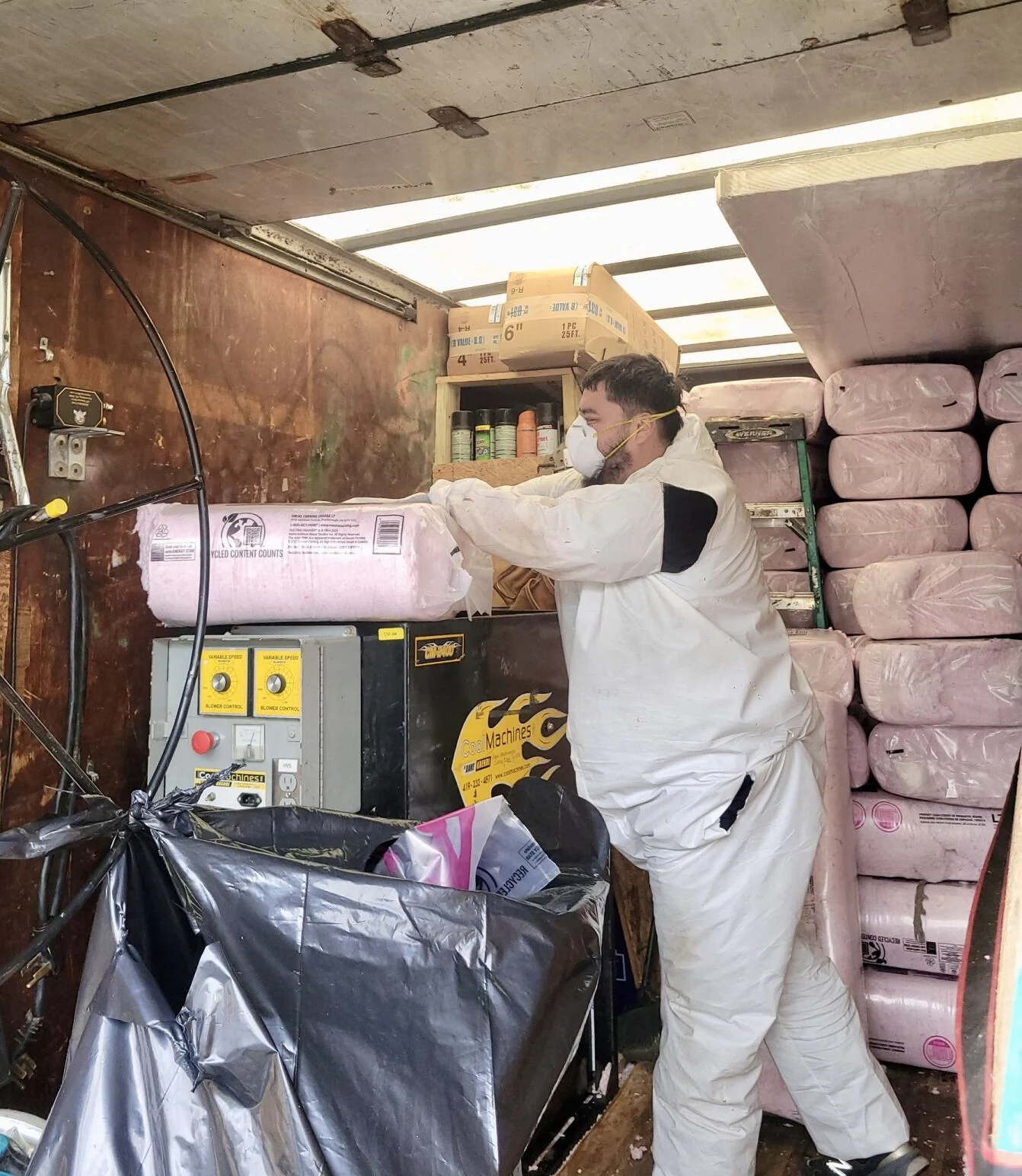
- Improved insulation and air sealing
- Safer ventilation and moisture control
- Electrified systems that reduce long-term operating costs
As Gary put it in the article, the goal is to take homes from “very poor shape to a high-performance home” not just in efficiency, but in safety.
That distinction matters.
This work is just as much about health and safety as it is about energy savings.
How These Grants Actually Work
The article highlights several key programs in Maryland that make this possible, including efforts supported by:
- Maryland Energy Administration
- Maryland Department of Housing and Community Development
- Utility-supported programs like SMECO and Pepco
- Local housing authorities and nonprofit partners
These programs are designed for income-qualified households and can often be stacked together, meaning multiple funding sources can be combined into a single project.
That’s how projects that once might have been capped at a few thousand dollars can now reach significantly higher investment levels, allowing real, whole-home improvements instead of temporary fixes.
In many cases, these upgrades include:
- Full HVAC replacements
- Weatherization (air sealing, insulation)
- Electrification of appliances and systems
- Health and safety corrections
And yes, in urgent cases, timelines can be accelerated significantly.
Speed Matters More Than People Realize
One of the most important takeaways from the article is this:
Some projects can’t wait.
While standard timelines can take several weeks from audit to completion, priority cases like loss of heating, cooling, or hot water can be fast-tracked.
That’s exactly what happened in the Mechanicsville home.
Programs don’t just fund improvements. They create pathways to respond when people need help now.
The Bigger Picture Across Maryland and the DMV
While the article focuses on Southern Maryland, this type of work is happening across the entire region.
EDGE Energy works with:
- State programs
- Utility rebate programs
- Nonprofit partners
- Local housing authorities
Across Maryland, DC, and Virginia, the goal is the same:
Make homes safer, more efficient, and more affordable to live in.
And the demand is only increasing.
More funding is being allocated. More homes are qualifying. And more homeowners are becoming aware that these programs exist.
Why This Work Matters
Energy efficiency gets talked about like it’s optional.
For a lot of households, it’s not.
When systems fail, when indoor air quality is poor, when homes are uncomfortable or unsafe, these upgrades become essential.
As Gary Boyer pointed out, many of these homeowners simply don’t have the ability to address these issues on their own.
That’s where these programs, and the teams executing them, step in.
What Homeowners Should Take Away
A lot of people qualify for these programs and don’t realize it.
If you’re in Maryland or the broader DMV area:
- There may be funding available to help upgrade your home
- Projects can go beyond basic repairs and address the whole home
- Safety, comfort, and long-term cost savings can all be improved at once
This isn’t a niche program. It’s a growing part of how homes are being improved across the region.