Snow melts. Heat escapes. Your roof tells the truth.
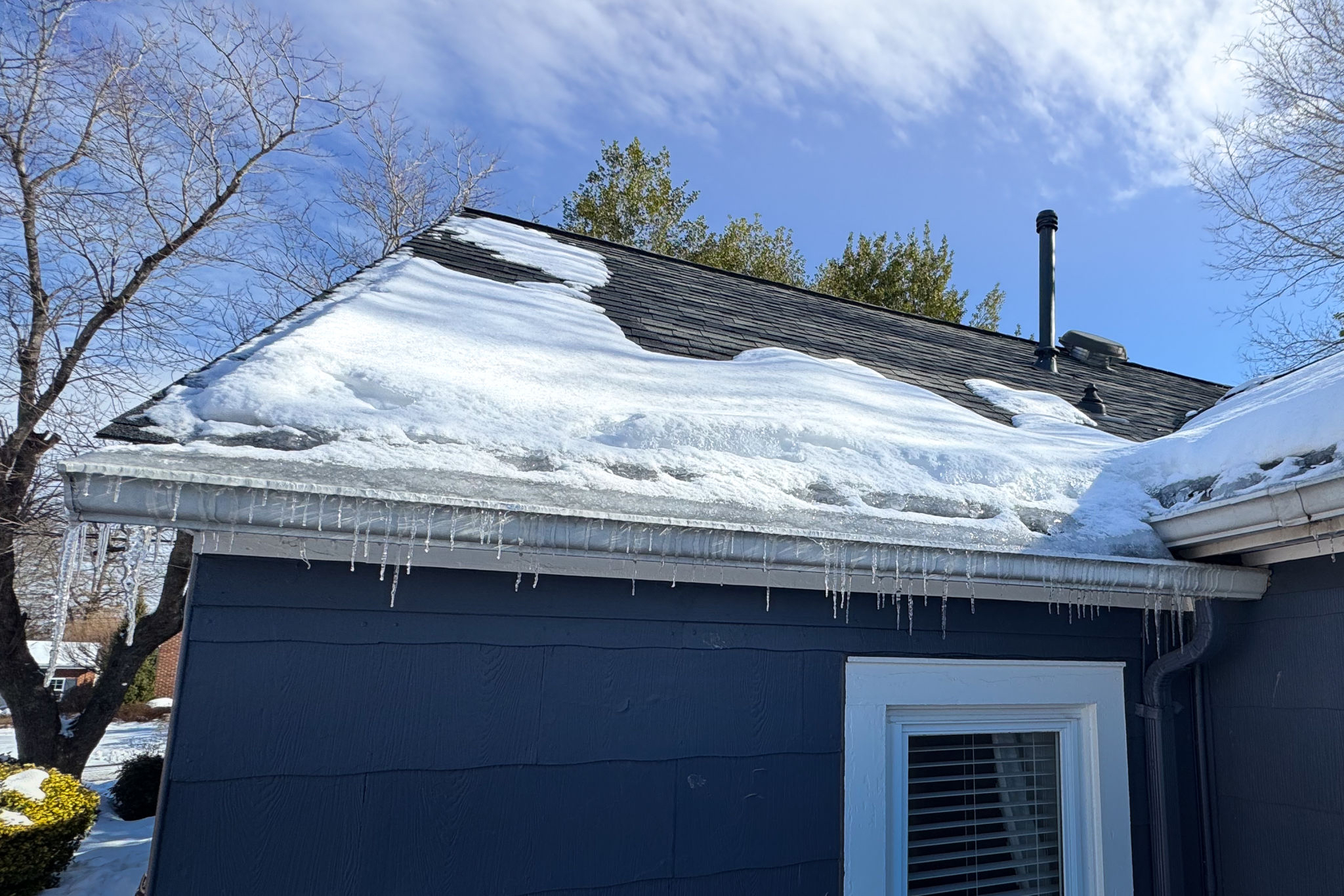
After a winter storm, some roofs stay white. Others melt fast, patchy, and uneven. That is not luck. That is heat loss. And it is money leaking out of your house.
If snow is melting quickly on parts of your roof, your attic insulation or air sealing is likely failing. Warm air is escaping, forcing your heating system to work harder and driving up your energy bills. The storm exposes what you cannot normally see.
What Snow on Your Roof Is Telling You
Uneven snow melt usually points to one or more of these problems:
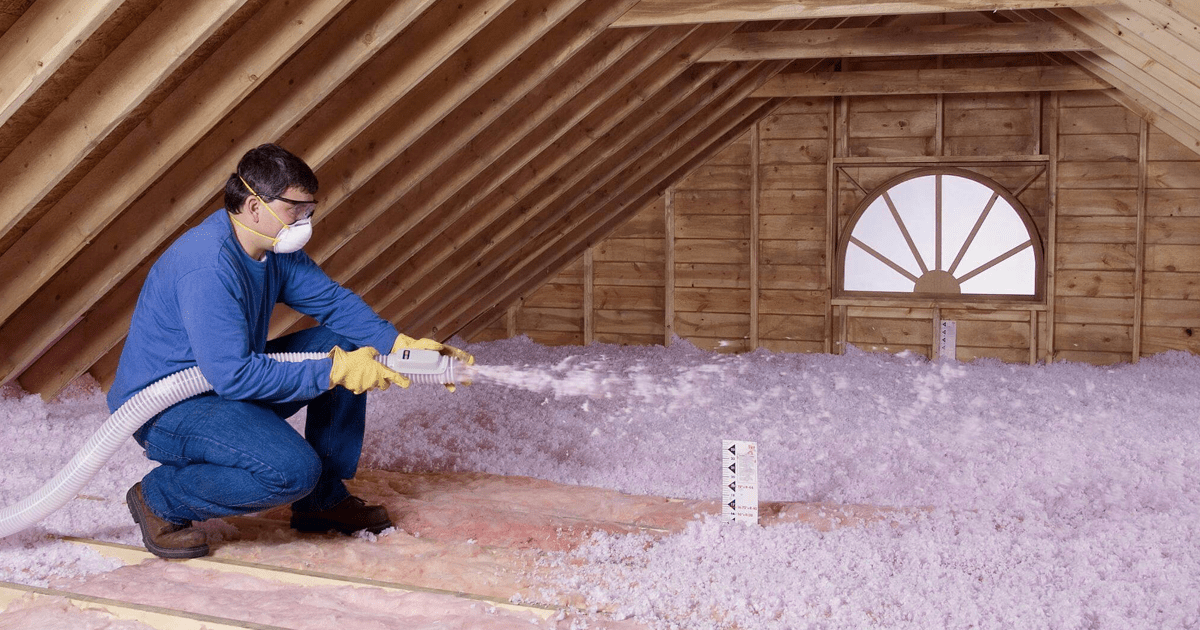
- Insulation gaps or compressed insulation in the attic
- Air leaks around attic hatches, lights, duct chases, or plumbing penetrations
- Poorly sealed ductwork losing heated air into the attic
- Inadequate attic ventilation trapping heat
Left alone, these issues do more than waste money. They can cause ice dams, moisture buildup, mold risk, and long-term roof damage.
Why Winter Is the Best Time to Check
Winter gives you real-world proof. Cold outside temperatures and heated indoor air create the perfect conditions to identify problems accurately. During a winter attic evaluation, we can:
- Identify heat loss areas using visual inspection and diagnostics
- Assess insulation depth, coverage, and condition
- Check for air sealing failures that drive energy loss
- Review ventilation balance to prevent moisture and ice dam issues
This is not guesswork. The evidence is right above your head.
When the Storm Passes, the Waste Becomes Obvious
Homeowners often notice it after the storm clears. Some homes still look frozen solid. Others are already melting. If yours is melting fast, you are paying to heat the outdoors.
A winter attic evaluation helps you stop that waste now, not after another season of high utility bills.
Schedule a Winter Attic Audit Today
An attic that performs correctly saves money, improves comfort, and protects your home. If your roof is telling you something after this storm, it is time to listen.
Schedule a winter attic evaluation with EDGE Energy and find out exactly where your home is losing heat and money.