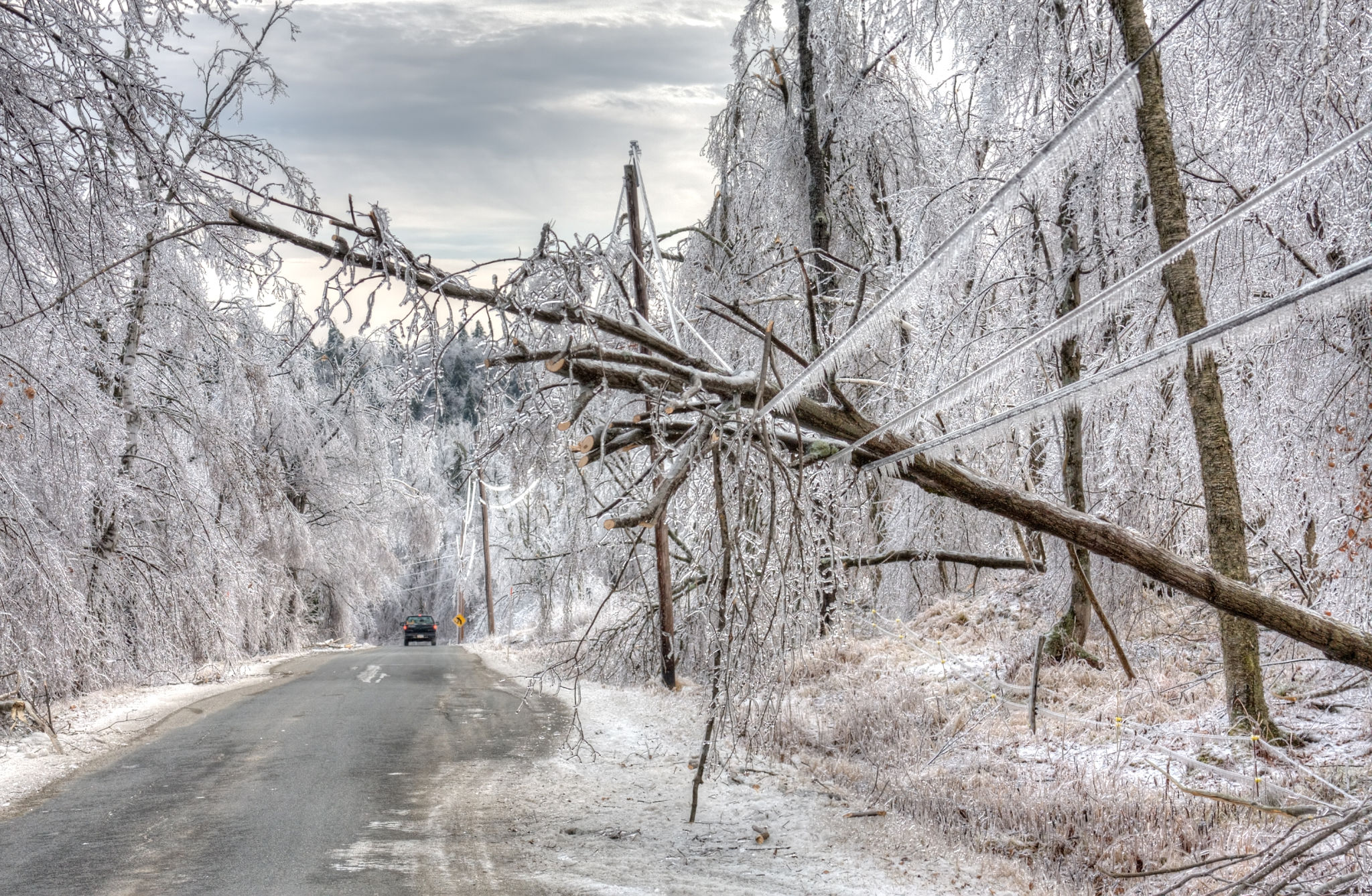
The number of major power outages in the United States caused by severe weather has been climbing for years. A Climate Central analysis of federal outage data shows that between 2000 and 2021 about 83 percent of major outages were triggered by weather events like storms, hurricanes, ice and extreme heat. During the decade from 2011 to 2021, the annual average of weather-related outages jumped roughly 78 percent compared to 2000-2010.
Why This Matters
Our grid wasn’t built for the frequency and intensity of today’s extreme weather. Hurricanes, wildfires, winter storms and heat waves can knock out power for tens of thousands at a time. These events don’t just leave homes in the dark. They stress local infrastructure, disrupt daily life, and expose vulnerabilities in aging electrical systems.
What’s Driving the Trend
More frequent extreme weather is placing growing strain on the grid. High winds and thunderstorms are the leading cause of weather-related outages, followed by winter storms and tropical systems. These patterns reflect broader climate trends that are making severe weather events more common and more intense.
How Homeowners Can Prepare
You can’t stop the weather, but you can protect your home and comfort. Backup power options, smart energy planning and weather-ready equipment help minimize disruption when the lights go out.
- Invest in a whole-home backup solution or a standby generator.
- Add battery storage paired with solar to keep critical circuits live.
- Weather-proof your home’s electric panel and systems.
These moves reduce outage risk and give you control when the grid falters.
At EDGE Energy we help homeowners build more resilient energy systems that keep the lights on when weather threatens. Contact us to evaluate options that match your home and budget.