What to Plug In. What Not To. And Why It Matters.
Winter storms and power outages push homeowners to rely on space heaters, power strips, and sometimes generators. Used the wrong way, these become fire and carbon monoxide risks fast. Here is the straight truth on what is safe and what is not.
Space Heaters: Plug Them In Right or Do Not Use Them
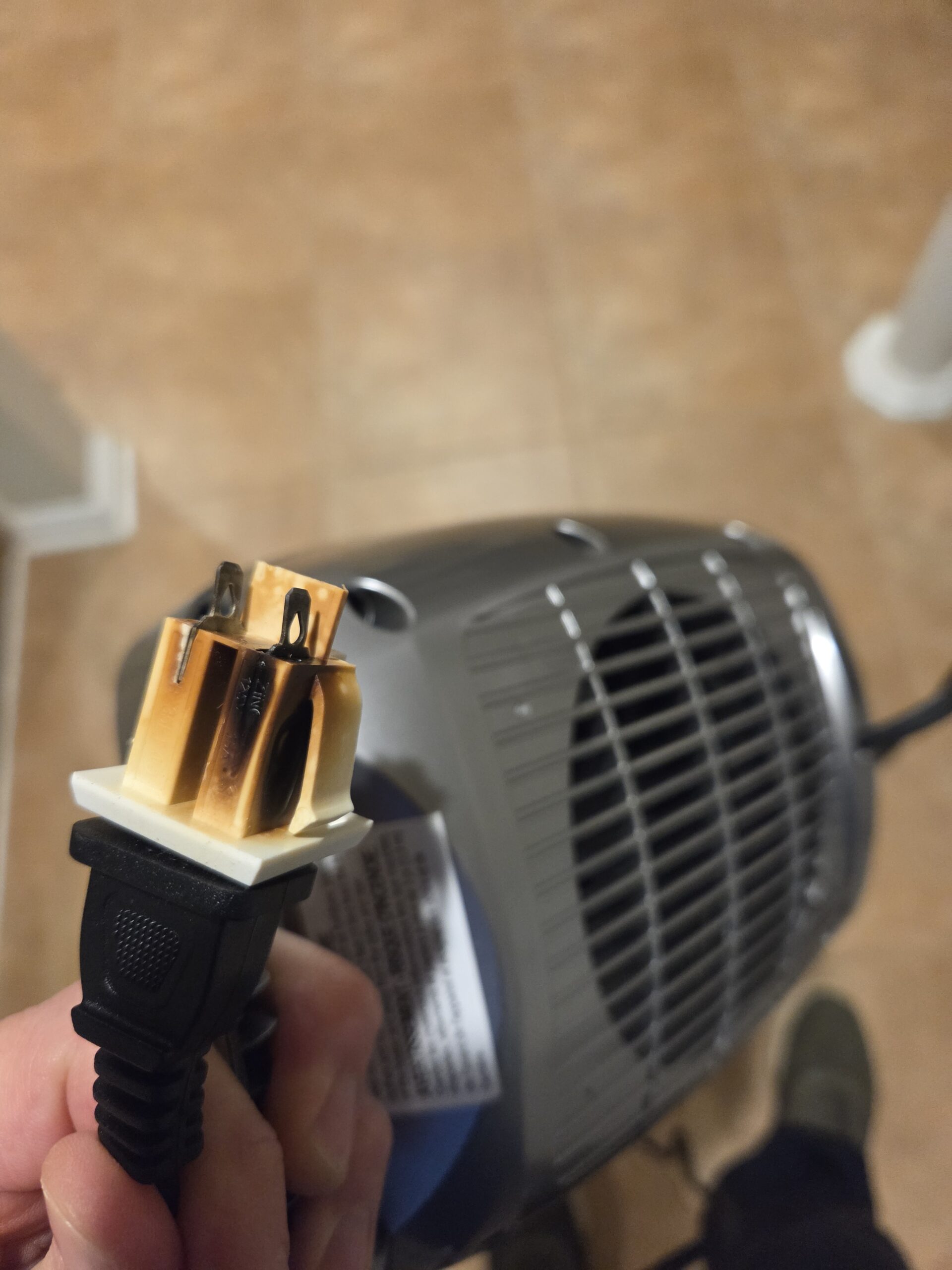
Space heaters pull a lot of power. They need a direct, stable connection.
Do this
- Plug space heaters directly into a wall outlet.
- Use only grounded outlets with no looseness or damage.
- Keep heaters at least three feet from anything flammable.
- Turn them off before sleeping or leaving the room.
Never do this
- Do not plug space heaters into power strips.
- Do not use extension cords or plug adapters.
- Do not run multiple heaters on the same circuit.
- Do not use heaters near water or damp areas.
If a heater trips a breaker, that is a warning. Stop using it.
Power Strips and Plug Adapters: Know Their Limits
Power strips and outlet adapters are for low-load electronics only.
Safe to plug in
- Phone chargers
- Lamps with LED bulbs
- TVs and Wi-Fi routers
Never plug in
- Space heaters
- Microwaves
- Refrigerators
- Sump pumps
- Hair dryers
Plug adapters that turn one outlet into several do not increase capacity. They increase risk.
Using a Generator During an Outage
Generators save food and keep essentials running, but only when used correctly.
Generator safety rules
- Run generators outdoors only.
- Keep them at least 20 feet from doors and windows.
- Never run a generator in a garage or near vents.
- Use heavy-duty extension cords rated for outdoor use.
- Plug appliances directly into the generator, not through household outlets.
Never backfeed power through an outlet. That can kill utility workers and destroy your electrical system.
A Smarter, Safer Way to Stay Warm
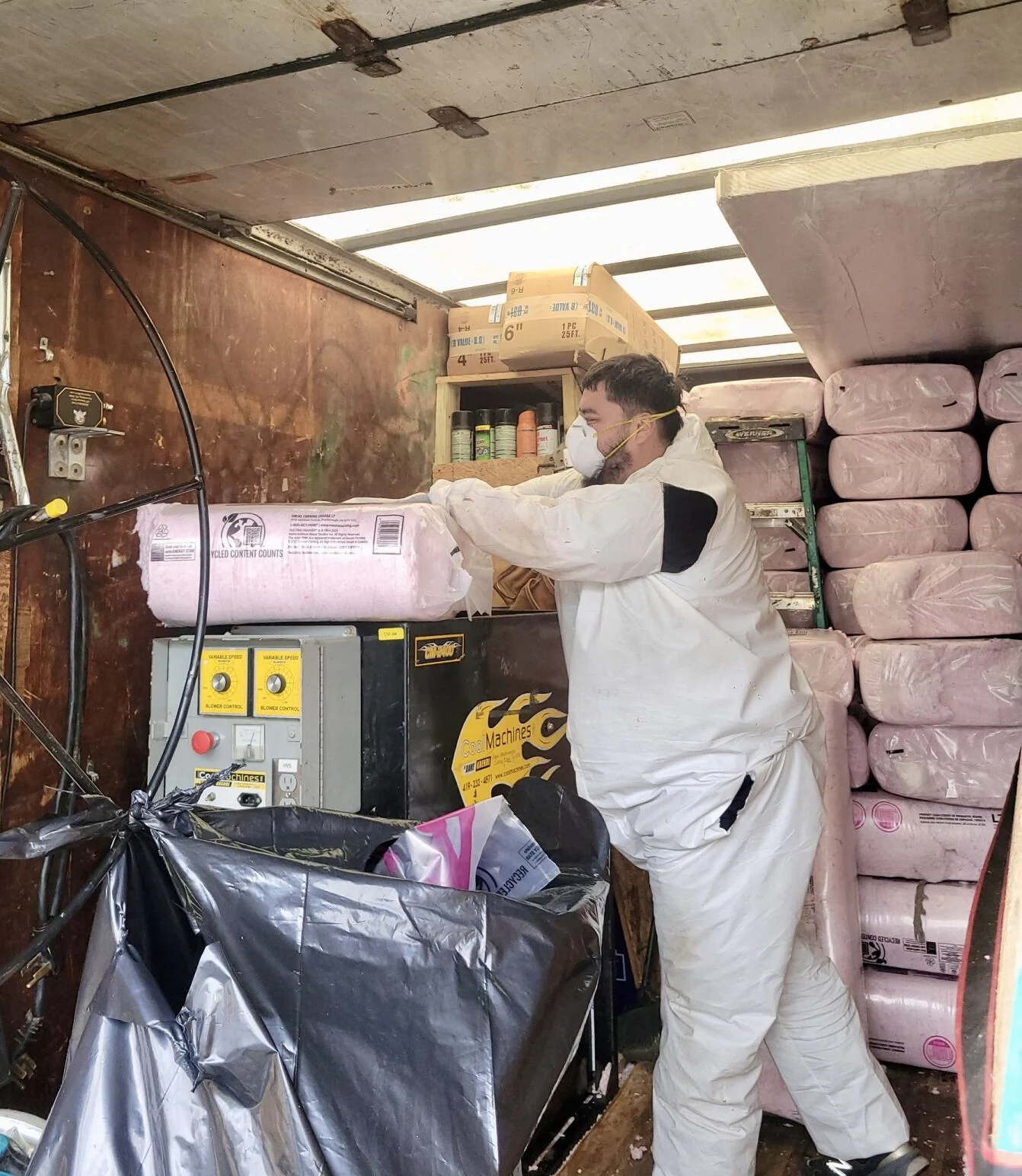
Storms expose weak insulation, air leaks, and inefficient heating systems. Homes that hold heat better rely less on space heaters and emergency fixes.
Weatherization, insulation, air sealing, and efficient heating upgrades help your home stay safer and warmer when the grid goes down.
If your house loses heat fast, the problem is not the storm. It is the building.